
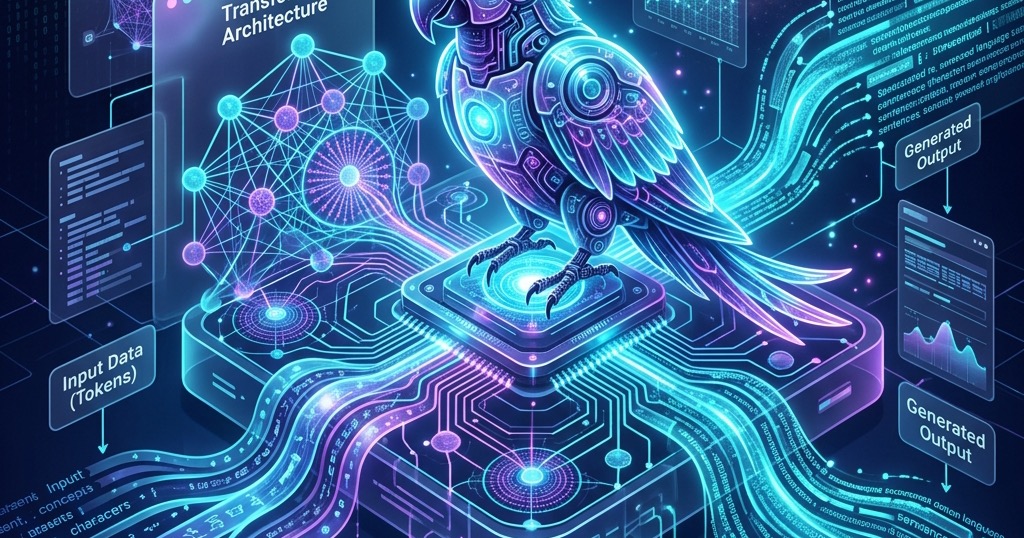
The Mechanical Parrot
Large language models (like GPT-4 and Claude) are sometimes referred to as highly eloquent parrots. They don't "think" in a human sense. Instead, they work with statistics. When they write a sentence, they are simply guessing which word statistically should come next, based on the massive amount of text they have "read."
Tokens
The AI doesn't read whole words. It breaks them down into smaller units called *tokens*. One token might be a short word ("and") or part of a longer word. When you type a question, the machine converts the question into tokens, runs it through a neural network containing billions of connections, and calculates which token is most likely to follow.
Alignment
So how do we know the machine won't say something terrible? That's where Alignment comes in. Companies like Anthropic have pioneered methods like Constitutional AI, where the model is taught a specific "constitution" or code of ethics. This means that when it receives a question, it checks its response against its ethical guidelines before printing the answer on your screen.
Why Does This Matter for Parents?
Knowing that the model is a "prediction machine" rather than a "fact machine" changes how we and our children interact with it. We shouldn't ask it for precise facts without verifying them (due to hallucinations); instead, we should use it to brainstorm, debate, and learn language.